What are the Product Standards for Capacitor Prices?
I. Introduction
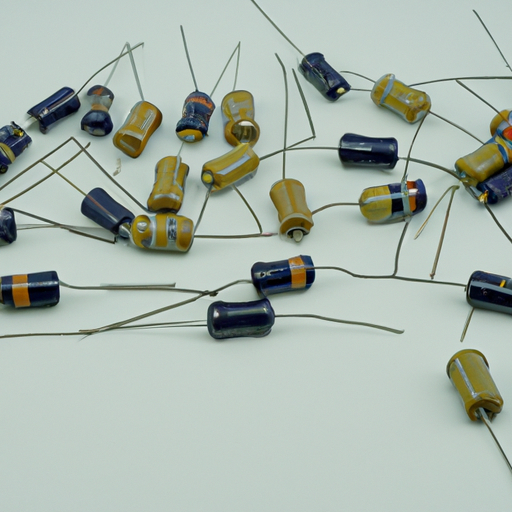
Capacitors are fundamental components in electronic devices, serving as energy storage units that help regulate voltage and current. They play a crucial role in various applications, from power supply circuits to signal processing in communication devices. Given their importance, understanding the product standards that govern capacitor pricing is essential for manufacturers, suppliers, and consumers alike. This blog post will explore the different types of capacitors, the factors influencing their prices, and the impact of product standards on pricing in the electronics market.
II. Understanding Capacitor Types
Capacitors come in various types, each designed for specific applications and performance characteristics.
A. Overview of Different Types of Capacitors
1. **Ceramic Capacitors**: These are widely used due to their small size and reliability. They are often found in high-frequency applications and are known for their stability and low losses.
2. **Electrolytic Capacitors**: Known for their high capacitance values, electrolytic capacitors are typically used in power supply circuits. However, they have polarity and can be less reliable than other types.
3. **Film Capacitors**: These capacitors are known for their excellent stability and low loss characteristics. They are often used in audio applications and power electronics.
4. **Tantalum Capacitors**: Tantalum capacitors offer high capacitance in a small package and are used in applications where space is limited. They are known for their reliability but can be more expensive.
5. **Supercapacitors**: These are used for energy storage applications, providing high capacitance and rapid charge/discharge cycles. They are increasingly popular in renewable energy systems and electric vehicles.
B. Applications of Each Type
Each capacitor type has unique applications based on its characteristics. For instance, ceramic capacitors are ideal for decoupling and filtering, while electrolytic capacitors are preferred in power supply circuits. Understanding these applications helps manufacturers choose the right type for their products, influencing pricing strategies.
C. Factors Influencing the Choice of Capacitor Type
The choice of capacitor type is influenced by factors such as voltage rating, capacitance value, size constraints, and cost. Manufacturers must balance these factors to meet performance requirements while keeping costs manageable.
III. Factors Influencing Capacitor Prices
Several factors contribute to the pricing of capacitors, including material costs, manufacturing processes, market dynamics, and regulatory compliance.
A. Material Costs
1. **Raw Materials Used in Different Capacitor Types**: The materials used in capacitors, such as ceramic, aluminum, tantalum, and polymer, significantly impact their prices. For example, tantalum is a rare material, making tantalum capacitors more expensive than their aluminum counterparts.
2. **Impact of Material Scarcity on Pricing**: Fluctuations in the availability of raw materials can lead to price volatility. For instance, geopolitical issues affecting tantalum mining can drive up prices, impacting the overall cost of tantalum capacitors.
B. Manufacturing Processes
1. **Complexity of Production**: The manufacturing process for capacitors varies by type. More complex processes, such as those used for film and tantalum capacitors, can increase production costs.
2. **Labor Costs**: Labor costs in different regions can also affect pricing. Countries with higher labor costs may see higher capacitor prices due to increased production expenses.
3. **Technological Advancements**: Innovations in manufacturing techniques can lead to cost reductions. For example, automation and improved production methods can lower labor costs and increase efficiency.
C. Market Demand and Supply Dynamics
1. **Seasonal Fluctuations**: Demand for capacitors can vary seasonally, particularly in industries like consumer electronics, where new product launches often occur in specific months.
2. **Industry Trends**: Emerging technologies, such as electric vehicles and renewable energy systems, are driving demand for specific capacitor types, influencing pricing.
D. Regulatory and Compliance Costs
1. **Standards Set by Organizations**: Compliance with standards set by organizations like the International Electrotechnical Commission (IEC) and the American National Standards Institute (ANSI) can add to manufacturing costs.
2. **Impact of Certifications on Pricing**: Certified products often command higher prices due to the assurance of quality and reliability they provide to consumers.
IV. Product Standards and Their Impact on Pricing
A. Overview of Product Standards for Capacitors
Product standards play a crucial role in ensuring the safety, reliability, and performance of capacitors. Key organizations involved in setting these standards include:
1. **International Electrotechnical Commission (IEC)**: The IEC develops international standards for electrical and electronic devices, including capacitors.
2. **American National Standards Institute (ANSI)**: ANSI oversees the development of voluntary consensus standards for products in the United States.
3. **Underwriters Laboratories (UL)**: UL provides safety certification for electrical components, ensuring they meet specific safety standards.
B. Importance of Compliance with Product Standards
1. **Safety and Reliability**: Compliance with product standards ensures that capacitors are safe to use and perform reliably under specified conditions.
2. **Performance Consistency**: Standards help maintain performance consistency across different manufacturers, providing consumers with confidence in the products they purchase.
C. How Compliance Affects Pricing
1. **Cost of Certification**: Obtaining certification can be costly for manufacturers, impacting the final price of the product.
2. **Marketability of Certified Products**: Certified products often have a competitive advantage in the market, allowing manufacturers to justify higher prices.
V. Price Comparison Across Different Capacitor Types
A. Average Price Ranges for Various Capacitor Types
The prices of capacitors can vary significantly based on type and specifications. For example, ceramic capacitors may range from a few cents to several dollars, while tantalum capacitors can cost several dollars each, depending on their capacitance and voltage ratings.
B. Comparison of Prices Based on Quality and Brand
Brand reputation and product quality also influence pricing. Established brands with a history of reliability may charge a premium for their products, while lesser-known brands may offer lower prices to attract customers.
C. Case Studies of Price Variations in the Market
Analyzing specific case studies can provide insights into how different factors influence pricing. For instance, during a global shortage of tantalum, prices surged, highlighting the impact of material availability on capacitor costs.
VI. The Role of Technology in Pricing
A. Innovations in Capacitor Technology
1. **Development of New Materials**: Research into new materials, such as graphene and organic polymers, may lead to the development of capacitors with improved performance characteristics.
2. **Advances in Manufacturing Techniques**: Innovations in manufacturing, such as 3D printing and nanotechnology, can reduce production costs and improve product quality.
B. Impact of Technology on Cost Reduction
As technology advances, manufacturers can achieve cost reductions through improved efficiency and reduced waste, potentially leading to lower prices for consumers.
C. Future Trends in Capacitor Pricing
The future of capacitor pricing will likely be influenced by ongoing technological advancements, shifts in market demand, and changes in regulatory requirements. Manufacturers who adapt to these trends will be better positioned to compete in the market.
VII. Conclusion
In summary, understanding the product standards that govern capacitor pricing is essential for anyone involved in the electronics industry. From the types of capacitors available to the factors influencing their prices, a comprehensive understanding can help manufacturers make informed decisions. As technology continues to evolve and market dynamics shift, staying abreast of these changes will be crucial for success in the capacitor market.
VIII. References
A comprehensive list of academic papers, industry reports, and standards documents would be included here to support the research and claims made in this blog post.
By understanding the complexities of capacitor pricing and the role of product standards, stakeholders can navigate the market more effectively and make informed purchasing decisions.


