Capacitor Product Training Precautions: A Comprehensive Guide
I. Introduction
Capacitors are fundamental components in electronic circuits, playing a crucial role in various applications, from power supply filtering to energy storage. Understanding how to handle and work with capacitors safely is essential for anyone involved in electronics, whether they are engineers, technicians, or hobbyists. This blog post aims to provide a comprehensive overview of capacitor product training precautions, ensuring that individuals are well-equipped with the knowledge and skills necessary to work with these vital components safely and effectively.
II. Understanding Capacitors
A. Basic Principles of Capacitors
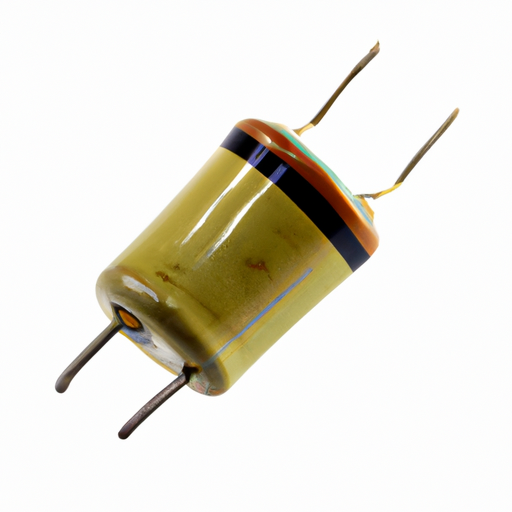
1. **Definition and Function**: A capacitor is a passive electronic component that stores electrical energy in an electric field. It consists of two conductive plates separated by an insulating material known as a dielectric. When voltage is applied across the plates, an electric field is created, allowing the capacitor to store energy.
2. **Types of Capacitors**: There are several types of capacitors, each with unique characteristics and applications:
- **Electrolytic Capacitors**: Known for their high capacitance values, these capacitors are polarized and typically used in power supply applications.
- **Ceramic Capacitors**: These are non-polarized capacitors with a wide range of capacitance values, commonly used in high-frequency applications.
- **Film Capacitors**: Made from thin plastic films, these capacitors are known for their stability and low loss, making them suitable for audio and RF applications.
- **Tantalum Capacitors**: These capacitors offer high capacitance in a small package and are often used in compact electronic devices.
B. Applications of Capacitors
Capacitors are utilized in various applications, including:
1. **Power Supply Filtering**: Capacitors smooth out voltage fluctuations in power supplies, ensuring a stable output.
2. **Signal Coupling and Decoupling**: They allow AC signals to pass while blocking DC, making them essential in audio and communication circuits.
3. **Timing Circuits**: Capacitors work with resistors to create time delays in circuits, crucial for timing applications.
4. **Energy Storage**: Capacitors store energy for later use, such as in camera flashes or power backup systems.
III. Safety Precautions
A. General Safety Guidelines
1. **Personal Protective Equipment (PPE)**: Always wear appropriate PPE, including safety glasses and gloves, when working with capacitors to protect against accidental discharge or component failure.
2. **Proper Handling Techniques**: Handle capacitors with care, avoiding physical damage and ensuring they are not exposed to extreme temperatures or humidity.
B. Electrical Safety
1. **Understanding Voltage Ratings**: Capacitors have specific voltage ratings that must not be exceeded. Familiarize yourself with these ratings to prevent catastrophic failures.
2. **Discharge Procedures**: Always discharge capacitors before handling them. Use a resistor to safely discharge the stored energy, preventing electric shock.
3. **Avoiding Short Circuits**: Be cautious when connecting capacitors in circuits. Ensure that connections are secure and that there are no unintended paths for current flow.
C. Environmental Considerations
1. **Storage Conditions**: Store capacitors in a cool, dry place, away from direct sunlight and extreme temperatures to prolong their lifespan.
2. **Disposal of Defective Capacitors**: Follow local regulations for disposing of defective capacitors, as they may contain hazardous materials.
IV. Training Procedures
A. Overview of Training Programs
1. **Objectives of Training**: The primary goal of capacitor training is to equip individuals with the knowledge and skills necessary to work safely and effectively with capacitors.
2. **Target Audience**: Training programs are designed for engineers, technicians, and anyone involved in electronics.
B. Training Content
1. **Theoretical Knowledge**: Participants will learn about the principles of capacitors, their types, and applications.
2. **Practical Applications**: Hands-on training will cover installation, testing, and troubleshooting techniques.
3. **Troubleshooting Techniques**: Participants will learn how to identify and resolve common capacitor-related issues.
C. Assessment and Certification
1. **Evaluation Methods**: Assessments may include written tests, practical demonstrations, and group discussions.
2. **Certification Process**: Successful participants will receive certification, validating their knowledge and skills in working with capacitors.
V. Common Mistakes and Misconceptions
A. Misunderstanding Capacitor Ratings
One common mistake is misunderstanding the voltage and capacitance ratings of capacitors. Always refer to the manufacturer's specifications to ensure proper usage.
B. Overlooking Discharge Procedures
Neglecting to discharge capacitors before handling them can lead to serious injuries. Always follow proper discharge procedures.
C. Ignoring Manufacturer Specifications
Ignoring manufacturer specifications can result in improper installation and potential failure of the capacitor. Always adhere to the guidelines provided by the manufacturer.
VI. Best Practices for Handling and Installation
A. Pre-Installation Checks
1. **Inspecting Capacitors**: Before installation, visually inspect capacitors for any signs of damage or defects.
2. **Verifying Compatibility**: Ensure that the capacitor is compatible with the circuit in which it will be used.
B. Installation Techniques
1. **Soldering Guidelines**: Follow proper soldering techniques to avoid damaging the capacitor or the circuit board.
2. **Mounting Considerations**: Ensure that capacitors are mounted securely and that there is adequate space for heat dissipation.
C. Post-Installation Testing
1. **Functional Testing**: After installation, test the circuit to ensure that the capacitor is functioning as intended.
2. **Performance Verification**: Measure the voltage and capacitance to verify that the capacitor meets the required specifications.
VII. Troubleshooting Capacitor Issues
A. Identifying Common Problems
1. **Capacitor Failure Symptoms**: Common symptoms of capacitor failure include bulging, leaking, or a decrease in performance.
2. **Diagnostic Tools**: Use multimeters and capacitance meters to diagnose capacitor issues effectively.
B. Repair and Replacement Procedures
1. **When to Replace**: If a capacitor shows signs of failure or does not meet specifications, it should be replaced immediately.
2. **Safe Removal Techniques**: Follow safe removal procedures to avoid damaging the circuit board or other components.
VIII. Conclusion
In conclusion, understanding capacitor product training precautions is essential for anyone working with electronic components. By following safety guidelines, participating in training programs, and adhering to best practices, individuals can ensure safe and effective handling of capacitors. Ongoing education and awareness of common mistakes will further enhance safety and performance in electronic applications. Remember, safety is paramount, and a well-informed technician is a safe technician.
IX. References
A. Recommended Reading
- "The Art of Electronics" by Paul Horowitz and Winfield Hill
- "Capacitors: Technology and Applications" by John Smith
B. Industry Standards and Guidelines
- IPC-A-610: Acceptability of Electronic Assemblies
- IEC 60384: Fixed Capacitors for Use in Electronic Equipment
C. Manufacturer Resources
- Manufacturer datasheets and application notes
- Online training modules from capacitor manufacturers
By following the guidelines outlined in this blog post, you can enhance your understanding of capacitors and ensure safe practices in your electronic projects.


