Components of Capacitor Companies
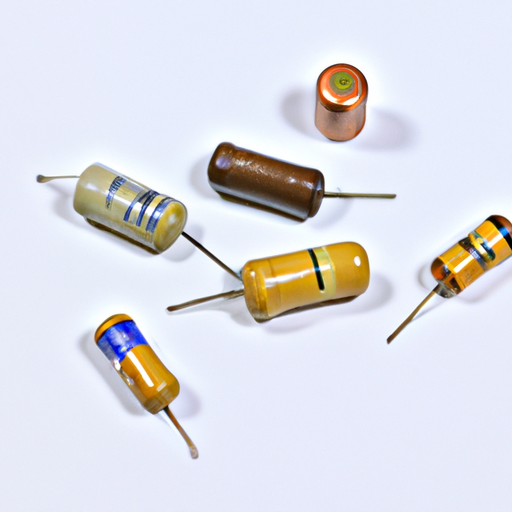
I. Introduction
Capacitors are fundamental components in the world of electronics, serving as energy storage devices that play a crucial role in various applications. They store electrical energy temporarily and release it when needed, making them essential for stabilizing voltage and power flow in electronic circuits. From smartphones to electric vehicles, capacitors are integral to the functionality of countless devices. The capacitor industry has evolved significantly over the years, driven by technological advancements and the increasing demand for efficient energy solutions. This blog post will explore the various components of capacitor companies, shedding light on their operations, challenges, and future trends.
II. Types of Capacitors
Capacitors come in various types, each with unique characteristics and applications. Understanding these types is essential for grasping the broader landscape of the capacitor industry.
A. Ceramic Capacitors
Ceramic capacitors are among the most widely used capacitors due to their small size, low cost, and reliability. They are made from ceramic materials and are available in various capacitance values. These capacitors are commonly used in high-frequency applications, such as RF circuits and decoupling applications in power supplies.
B. Electrolytic Capacitors
Electrolytic capacitors are polarized capacitors that offer high capacitance values in a relatively small package. They are typically used in power supply circuits, audio equipment, and energy storage applications. However, they have a limited lifespan and can be sensitive to temperature and voltage fluctuations.
C. Film Capacitors
Film capacitors are known for their stability and low loss characteristics. They are made from thin plastic films and are used in applications requiring high precision, such as audio equipment, power electronics, and timing circuits. Their ability to withstand high voltages makes them suitable for various industrial applications.
D. Tantalum Capacitors
Tantalum capacitors are known for their high capacitance-to-volume ratio and reliability. They are often used in applications where space is limited, such as in mobile devices and aerospace electronics. However, they are more expensive than other types of capacitors, which can limit their use in cost-sensitive applications.
E. Supercapacitors
Supercapacitors, also known as ultracapacitors, are energy storage devices that bridge the gap between traditional capacitors and batteries. They can store large amounts of energy and deliver it quickly, making them ideal for applications requiring rapid charge and discharge cycles, such as regenerative braking systems in electric vehicles.
III. Key Components of Capacitor Companies
The success of capacitor companies hinges on several key components that drive their operations and innovation.
A. Research and Development (R&D)
Innovation is at the heart of the capacitor industry. Companies invest heavily in research and development to create new products and improve existing technologies. R&D efforts focus on enhancing capacitance values, reducing size, and improving the reliability of capacitors. Emerging trends, such as the development of flexible and printed capacitors, are also gaining traction, driven by the demand for lightweight and compact electronic devices.
B. Manufacturing Processes
The manufacturing process of capacitors involves several steps, including material selection, component assembly, and testing. Companies employ various production techniques, such as automated assembly lines and precision machining, to ensure high-quality products. Quality control measures are critical, as capacitors must meet stringent performance standards to ensure reliability in electronic applications.
C. Supply Chain Management
Effective supply chain management is essential for capacitor companies to maintain a steady flow of raw materials and components. Sourcing high-quality materials, such as tantalum and aluminum, is crucial for producing reliable capacitors. Additionally, logistics and distribution play a significant role in ensuring that products reach customers in a timely manner, especially in a global market.
D. Marketing and Sales Strategies
Capacitor companies must develop targeted marketing and sales strategies to reach their desired markets. This includes identifying key customer segments, such as automotive, consumer electronics, and industrial applications. Branding and positioning are also vital, as companies strive to differentiate their products in a competitive landscape.
E. Customer Support and Service
Providing excellent customer support and service is essential for building long-term relationships with clients. After-sales service, technical support, and access to resources such as datasheets and application notes are critical for helping customers make informed decisions about capacitor selection and usage.
IV. Major Players in the Capacitor Industry
The capacitor industry is home to several major players, each contributing to the market's growth and innovation.
A. Overview of Leading Capacitor Manufacturers
Companies such as Murata Manufacturing, Vishay Intertechnology, KEMET, and Nichicon are among the leading manufacturers in the capacitor industry. These companies offer a wide range of capacitor types and have established themselves as trusted suppliers in various markets.
B. Comparison of Product Offerings
Each manufacturer has its strengths and product offerings. For instance, Murata is known for its advanced ceramic capacitors, while KEMET specializes in electrolytic and tantalum capacitors. Understanding the differences in product offerings helps customers choose the right capacitors for their specific applications.
C. Market Share and Competitive Landscape
The competitive landscape of the capacitor industry is dynamic, with companies constantly vying for market share. Factors such as product quality, pricing, and customer service play a significant role in determining a company's position in the market.
V. Challenges Facing Capacitor Companies
Despite the growth potential in the capacitor industry, companies face several challenges that can impact their operations.
A. Technological Advancements and Competition
Rapid technological advancements in electronics mean that capacitor companies must continuously innovate to stay relevant. The emergence of new materials and manufacturing techniques can disrupt traditional capacitor designs, leading to increased competition.
B. Regulatory and Environmental Considerations
Regulatory requirements related to environmental sustainability and product safety are becoming more stringent. Capacitor companies must navigate these regulations while ensuring that their products meet industry standards.
C. Economic Factors Affecting the Industry
Economic fluctuations, such as changes in raw material prices and global supply chain disruptions, can impact the capacitor industry. Companies must be agile and adaptable to mitigate these risks and maintain profitability.
VI. Future Trends in the Capacitor Industry
The capacitor industry is poised for growth, driven by several emerging trends.
A. Emerging Technologies
Advancements in materials science and manufacturing processes are leading to the development of new capacitor technologies. Flexible and printed capacitors, for example, are gaining traction in wearable electronics and IoT devices.
B. Sustainability and Eco-Friendly Practices
As environmental concerns grow, capacitor companies are increasingly focusing on sustainability. This includes developing eco-friendly materials, reducing waste in manufacturing processes, and implementing recycling programs for end-of-life products.
C. Market Growth Projections
The global capacitor market is expected to grow significantly in the coming years, driven by the increasing demand for electronic devices and renewable energy solutions. Companies that can adapt to changing market dynamics and customer needs will be well-positioned for success.
VII. Conclusion
Capacitors are essential components in modern electronics, and the companies that manufacture them play a vital role in the industry. From research and development to supply chain management and customer support, various components contribute to the success of capacitor companies. As the industry faces challenges and embraces new trends, the future of capacitor manufacturers looks promising. By focusing on innovation, sustainability, and customer satisfaction, these companies will continue to thrive in an ever-evolving market.
VIII. References
- Academic journals on capacitor technology and applications.
- Industry reports detailing market trends and forecasts.
- Manufacturer websites and publications for product specifications and company information.
This blog post provides a comprehensive overview of the components of capacitor companies, highlighting their importance in the electronics industry and the factors that influence their operations and success.


