What is the Current Situation of the Sensitive Resistor Industry?
I. Introduction
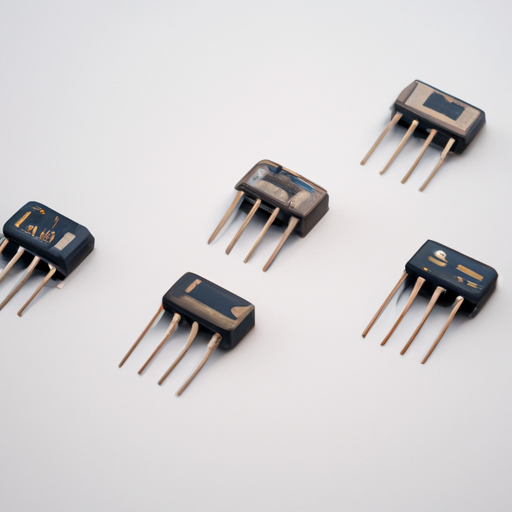
Sensitive resistors, also known as precision resistors or high-sensitivity resistors, are electronic components that exhibit a high degree of responsiveness to changes in voltage or current. These resistors are crucial in various applications, including consumer electronics, automotive systems, industrial automation, and medical devices. As technology continues to evolve, the sensitive resistor industry is experiencing significant changes, driven by advancements in materials, manufacturing processes, and market demands. This blog post explores the current state of the sensitive resistor industry, examining its historical context, market dynamics, technological innovations, challenges, key players, and future outlook.
II. Historical Context
The sensitive resistor industry has evolved considerably over the decades. Initially, resistors were simple components made from carbon or metal films. However, as electronic devices became more sophisticated, the demand for precision and reliability increased. Key technological advancements, such as the development of thin-film and thick-film resistor technologies, allowed for greater accuracy and stability in performance.
Major players in the industry have included companies like Vishay Intertechnology, Yageo Corporation, and Panasonic, which have consistently pushed the boundaries of resistor technology. These companies have invested heavily in research and development to create resistors that can withstand extreme conditions while maintaining high sensitivity.
III. Market Overview
A. Current Market Size and Growth Trends
As of 2023, the sensitive resistor market is valued at approximately $2 billion, with a projected compound annual growth rate (CAGR) of around 6% over the next five years. This growth is fueled by the increasing demand for high-performance electronic devices and the proliferation of smart technologies.
B. Geographic Distribution of the Sensitive Resistor Market
The sensitive resistor market is globally distributed, with significant demand in North America, Europe, and Asia-Pacific. The Asia-Pacific region, particularly countries like China, Japan, and South Korea, is witnessing rapid growth due to the booming electronics manufacturing sector.
C. Key Applications Driving Demand
1. **Consumer Electronics**: The rise of smart devices, including smartphones, tablets, and wearables, has led to an increased need for sensitive resistors that can provide accurate readings and enhance device performance.
2. **Automotive Industry**: With the shift towards electric vehicles (EVs) and advanced driver-assistance systems (ADAS), sensitive resistors are essential for monitoring battery performance, temperature, and other critical parameters.
3. **Industrial Automation**: The push for automation in manufacturing processes has created a demand for sensitive resistors in sensors and control systems, ensuring precise measurements and improved efficiency.
4. **Medical Devices**: Sensitive resistors play a vital role in medical equipment, where accuracy and reliability are paramount. They are used in devices such as blood pressure monitors, ECG machines, and diagnostic equipment.
IV. Technological Innovations
A. Recent Advancements in Sensitive Resistor Technology
1. **Materials Used**: The development of new materials, such as metal oxide and polymer-based resistors, has enhanced the performance and durability of sensitive resistors. These materials offer improved temperature stability and resistance to environmental factors.
2. **Miniaturization and Integration**: The trend towards miniaturization in electronics has led to the creation of smaller, more efficient sensitive resistors. Integration with other components, such as capacitors and inductors, is becoming increasingly common, allowing for more compact designs.
B. Impact of IoT and Smart Technologies
The Internet of Things (IoT) has revolutionized the way devices communicate and operate. Sensitive resistors are integral to IoT applications, providing the necessary data for smart devices to function effectively. As more devices become interconnected, the demand for high-quality sensitive resistors will continue to rise.
C. Future Trends in Technology Development
Looking ahead, the sensitive resistor industry is expected to see further advancements in nanotechnology and smart materials. These innovations could lead to the development of resistors with enhanced sensitivity, faster response times, and greater energy efficiency.
V. Challenges Facing the Industry
A. Supply Chain Disruptions
The sensitive resistor industry, like many others, has faced supply chain disruptions due to global events such as the COVID-19 pandemic. These disruptions have led to shortages of raw materials and increased production costs, impacting manufacturers' ability to meet demand.
B. Competition from Alternative Technologies
As technology evolves, sensitive resistors face competition from alternative sensing technologies, such as digital sensors and smart chips. These alternatives often offer enhanced functionality and integration, posing a challenge for traditional resistor manufacturers.
C. Regulatory and Environmental Concerns
The industry is also grappling with increasing regulatory scrutiny regarding environmental impact and sustainability. Manufacturers are under pressure to develop eco-friendly products and adopt sustainable practices in their production processes.
D. Market Volatility and Economic Factors
Economic fluctuations and market volatility can significantly impact the sensitive resistor industry. Changes in consumer demand, trade policies, and currency exchange rates can create uncertainty for manufacturers and suppliers.
VI. Key Players in the Sensitive Resistor Industry
A. Overview of Leading Manufacturers
Leading manufacturers in the sensitive resistor industry include Vishay Intertechnology, Yageo Corporation, Panasonic, and Bourns. These companies have established themselves as key players through innovation, quality, and extensive product offerings.
B. Emerging Companies and Startups
In addition to established players, several emerging companies and startups are making their mark in the sensitive resistor market. These companies often focus on niche applications or innovative technologies, contributing to the industry's overall growth.
C. Strategic Partnerships and Collaborations
Strategic partnerships and collaborations are becoming increasingly common in the sensitive resistor industry. Manufacturers are joining forces with technology companies and research institutions to drive innovation and expand their product portfolios.
VII. Future Outlook
A. Predictions for Market Growth
The sensitive resistor market is expected to continue its upward trajectory, driven by the increasing demand for high-performance electronic devices and the growth of IoT applications. Analysts predict that the market could reach $3 billion by 2028.
B. Potential Technological Breakthroughs
Future technological breakthroughs in materials science and manufacturing processes could lead to the development of sensitive resistors with unprecedented performance characteristics. These advancements may open new applications and markets for sensitive resistors.
C. Long-term Challenges and Opportunities
While the sensitive resistor industry faces challenges such as supply chain disruptions and competition from alternative technologies, it also presents significant opportunities for growth. Manufacturers that can adapt to changing market conditions and invest in innovation will be well-positioned for success.
VIII. Conclusion
In summary, the sensitive resistor industry is currently experiencing a dynamic phase of growth and transformation. With a rich historical context, a diverse range of applications, and ongoing technological innovations, sensitive resistors are poised to play a crucial role in the future of electronics. As the industry navigates challenges and embraces opportunities, the importance of sensitive resistors in advancing technology cannot be overstated. The trajectory of this industry will undoubtedly shape the landscape of modern electronics for years to come.
IX. References
- Vishay Intertechnology. (2023). Annual Report.
- Yageo Corporation. (2023). Market Analysis Report.
- Panasonic. (2023). Innovations in Resistor Technology.
- Bourns. (2023). Industry Trends and Future Outlook.
- Market Research Future. (2023). Sensitive Resistor Market Analysis.


