What Kind of Product is a Fuse Resistor?
I. Introduction
In the world of electronics, components play a crucial role in ensuring the functionality and safety of devices. Among these components, fuse resistors stand out as a unique product that combines the functions of both resistors and fuses. This article will delve into the definition, construction, applications, advantages, limitations, and future trends of fuse resistors, highlighting their importance in modern electrical circuits.
II. Understanding Fuse Resistors
A. Basic Concept of Resistors
Resistors are fundamental components in electrical circuits, designed to limit the flow of electric current. They are essential for controlling voltage levels and protecting sensitive components from excessive current. Resistors come in various types, including fixed, variable, and specialty resistors, each serving specific functions in circuit design.
B. What Makes a Fuse Resistor Unique
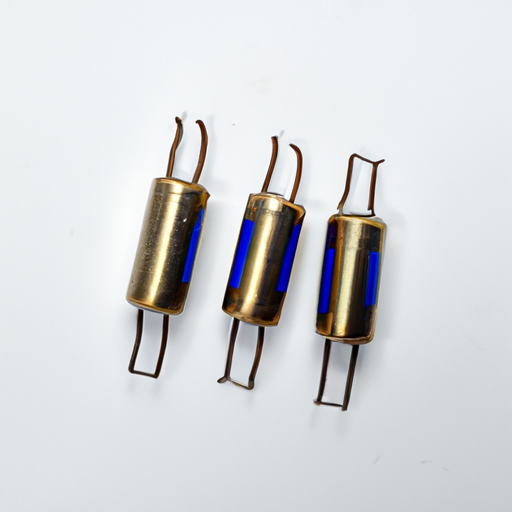
A fuse resistor is a specialized component that integrates the functions of a resistor and a fuse. While traditional resistors are used to manage current flow, fuse resistors provide an additional layer of protection by acting as a fuse that can interrupt the circuit in case of an overload. When the current exceeds a predetermined threshold, the fuse element within the resistor melts, breaking the circuit and preventing damage to other components. This dual functionality makes fuse resistors particularly valuable in various applications.
III. Construction and Design
A. Materials Used in Fuse Resistors
The construction of fuse resistors involves a combination of conductive and insulating materials. The conductive materials, typically metal or metal oxide, are responsible for the resistive properties of the component. Insulating materials, such as ceramic or epoxy, are used to encase the resistor, providing protection and ensuring safe operation.
B. Design Variations
Fuse resistors come in different design variations to suit various applications. The two primary types are surface mount and through-hole fuse resistors. Surface mount fuse resistors are compact and suitable for modern electronic devices, while through-hole versions are often used in larger, more traditional circuits. Additionally, fuse resistors are available in various power ratings and sizes, allowing engineers to select the appropriate component for their specific needs.
IV. Applications of Fuse Resistors
A. Common Uses in Electronics
Fuse resistors are widely used in electronic devices, particularly in power supply circuits. They help protect sensitive components from voltage spikes and current surges, ensuring the longevity and reliability of the device. In consumer electronics, fuse resistors can be found in devices such as televisions, computers, and smartphones, where they safeguard against potential damage from electrical faults.
B. Industrial Applications
In industrial settings, fuse resistors play a vital role in automotive systems and telecommunications. In automotive applications, they protect critical components from overcurrent conditions, ensuring the safe operation of vehicles. In telecommunications, fuse resistors are used in network equipment to prevent damage from electrical surges, maintaining the integrity of communication systems.
C. Safety and Protection Mechanisms
The primary function of fuse resistors is to enhance safety in electrical circuits. By providing a built-in protection mechanism, they reduce the risk of fire hazards and equipment failure. This makes them an essential component in any design where safety is a priority.
V. Advantages of Using Fuse Resistors
A. Dual Functionality
One of the most significant advantages of fuse resistors is their dual functionality. By combining the roles of a resistor and a fuse, they simplify circuit design and reduce the number of components required. This not only saves space but also minimizes potential points of failure in the circuit.
B. Space-Saving Design
In an era where miniaturization is key, fuse resistors offer a compact solution for circuit designers. Their small size allows for more efficient use of space on printed circuit boards (PCBs), enabling the development of smaller and more powerful electronic devices.
C. Enhanced Circuit Protection
Fuse resistors provide enhanced protection for electronic circuits. In the event of an overload, the fuse element will blow, effectively disconnecting the circuit and preventing damage to other components. This proactive approach to circuit protection is invaluable in maintaining the reliability of electronic devices.
D. Cost-Effectiveness
By integrating two functions into a single component, fuse resistors can be more cost-effective than using separate resistors and fuses. This reduction in component count can lead to lower manufacturing costs and simplified assembly processes.
VI. Limitations and Considerations
A. Potential Drawbacks
Despite their advantages, fuse resistors do have some limitations. One potential drawback is their limited current ratings. While they are effective for many applications, there are scenarios where higher current ratings are required, and traditional fuses may be more suitable.
B. Replacement Challenges
Another consideration is the challenge of replacement. Once a fuse resistor has blown, it must be replaced as a whole unit, which can be less convenient than replacing a standard fuse. This can lead to increased downtime in applications where quick repairs are necessary.
C. Factors to Consider When Choosing a Fuse Resistor
When selecting a fuse resistor, engineers must consider several factors, including application requirements and environmental conditions. Understanding the specific needs of the circuit, such as voltage levels, current ratings, and operating temperatures, is crucial for choosing the right component.
VII. Future Trends in Fuse Resistor Technology
A. Innovations in Materials and Design
As technology continues to evolve, so too does the design and materials used in fuse resistors. Innovations in conductive materials and manufacturing processes are leading to more efficient and reliable components. These advancements are expected to enhance the performance and longevity of fuse resistors in various applications.
B. Increasing Demand in Emerging Technologies
The demand for fuse resistors is likely to grow as emerging technologies, such as electric vehicles and renewable energy systems, become more prevalent. These applications require robust circuit protection solutions, making fuse resistors an attractive option for engineers.
C. Integration with Smart Devices
With the rise of the Internet of Things (IoT) and smart devices, fuse resistors are poised to play a significant role in ensuring the safety and reliability of interconnected systems. Their ability to provide circuit protection in compact designs makes them ideal for use in smart home devices, wearables, and other connected technologies.
VIII. Conclusion
In summary, fuse resistors are a unique and valuable component in the realm of electronics. Their dual functionality, space-saving design, and enhanced circuit protection make them an essential choice for engineers and designers. While they do have some limitations, the advantages they offer far outweigh the drawbacks in many applications. As technology continues to advance, fuse resistors will undoubtedly play a crucial role in the development of safer and more efficient electronic devices.
IX. References
A. Suggested Reading and Resources
1. "Understanding Resistors and Their Applications" - Electronics Tutorials
2. "Fuse Resistors: A Comprehensive Guide" - Electronic Design Magazine
B. Industry Standards and Guidelines
1. IEC 60115 - Fixed Resistors for Use in Electronic Equipment
2. UL 1412 - Standard for Fuse Resistors
By understanding the significance of fuse resistors, engineers can make informed decisions that enhance the safety and reliability of their electronic designs.


