What are the Popular Models of Aluminum Shell Resistors?
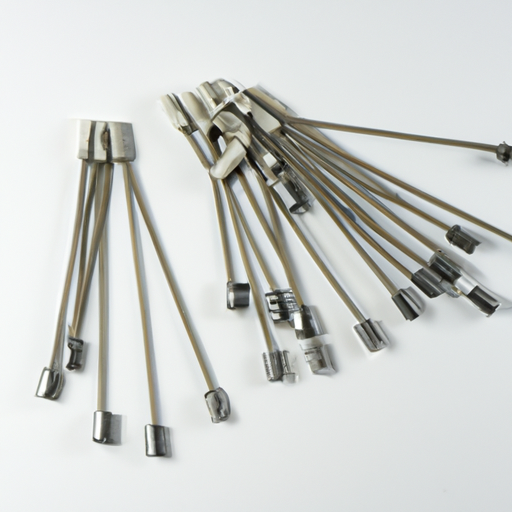
I. Introduction
In the world of electronics, resistors play a crucial role in controlling the flow of electric current. Among the various types of resistors, aluminum shell resistors have gained popularity due to their unique properties and advantages. This blog post aims to explore the popular models of aluminum shell resistors, their features, applications, and the leading manufacturers in the market. By the end of this article, readers will have a comprehensive understanding of aluminum shell resistors and how to choose the right model for their specific needs.
II. Understanding Aluminum Shell Resistors
A. What are aluminum shell resistors?
Aluminum shell resistors are a type of power resistor that utilizes an aluminum housing to provide structural integrity and enhanced thermal management. These resistors are typically constructed with a resistive element made from materials such as wire-wound or thick film, encased in an aluminum shell that aids in heat dissipation.
1. Composition and construction
The construction of aluminum shell resistors involves a resistive element, often made from high-quality materials, which is then encapsulated in an aluminum shell. This design not only protects the resistive element from environmental factors but also allows for efficient heat dissipation, which is critical for maintaining performance and longevity.
2. Advantages of aluminum shell over other types
Aluminum shell resistors offer several advantages over traditional resistors. Their aluminum housing provides excellent thermal conductivity, allowing for better heat dissipation. This feature is particularly important in high-power applications where excessive heat can lead to failure. Additionally, aluminum shell resistors are often more robust and resistant to mechanical stress, making them suitable for demanding environments.
B. Applications of aluminum shell resistors
Aluminum shell resistors find applications across various industries due to their reliability and performance.
1. Industrial applications
In industrial settings, aluminum shell resistors are commonly used in motor drives, power supplies, and load banks. Their ability to handle high power levels and dissipate heat effectively makes them ideal for these applications.
2. Consumer electronics
In consumer electronics, aluminum shell resistors are utilized in devices such as audio amplifiers, power converters, and LED drivers. Their compact size and efficient thermal management contribute to the overall performance of these devices.
3. Automotive and aerospace industries
The automotive and aerospace industries also benefit from aluminum shell resistors. They are used in various applications, including electric vehicles, avionics, and control systems, where reliability and performance are paramount.
III. Key Features of Aluminum Shell Resistors
A. Thermal management
1. Heat dissipation capabilities
One of the standout features of aluminum shell resistors is their exceptional heat dissipation capabilities. The aluminum housing allows for rapid heat transfer away from the resistive element, reducing the risk of overheating and ensuring stable performance.
2. Impact on performance and longevity
Effective thermal management directly impacts the performance and longevity of aluminum shell resistors. By maintaining optimal operating temperatures, these resistors can achieve higher power ratings and longer service life, making them a cost-effective choice in the long run.
B. Power ratings and resistance values
1. Common power ratings
Aluminum shell resistors are available in a wide range of power ratings, typically ranging from a few watts to several kilowatts. This versatility allows engineers to select the appropriate resistor for their specific application requirements.
2. Range of resistance values available
In addition to power ratings, aluminum shell resistors come in various resistance values, enabling designers to achieve precise control over current flow in their circuits. Common resistance values range from a few ohms to several megaohms.
C. Environmental considerations
1. Resistance to moisture and corrosion
Aluminum shell resistors are designed to withstand harsh environmental conditions. Their aluminum housing provides resistance to moisture and corrosion, making them suitable for outdoor and industrial applications.
2. Operating temperature ranges
These resistors can operate effectively across a wide temperature range, typically from -55°C to +200°C. This capability ensures reliable performance in extreme conditions, further enhancing their appeal in various industries.
IV. Popular Models of Aluminum Shell Resistors
A. Overview of leading manufacturers
Several manufacturers are known for producing high-quality aluminum shell resistors. Some of the leading names in the industry include:
1. Vishay
Vishay is a well-respected manufacturer known for its extensive range of electronic components, including aluminum housed resistors. Their products are widely used in various applications due to their reliability and performance.
2. Ohmite
Ohmite specializes in power resistors and is recognized for its innovative designs and high-quality products. Their aluminum shell resistors are popular in industrial and automotive applications.
3. Bourns
Bourns is another leading manufacturer that offers a variety of resistive components, including aluminum shell resistors. Their products are known for their durability and performance in demanding environments.
4. Caddock
Caddock is known for its precision resistors and high-performance aluminum shell resistors. Their products are often used in high-end applications where accuracy and reliability are critical.
B. Detailed examination of popular models
1. Vishay's Aluminum Housed Resistors
Vishay offers a range of aluminum housed resistors, known for their high power ratings and excellent thermal performance. These resistors are suitable for applications in power supplies and motor drives.
Specifications: Power ratings up to 500W, resistance values from 0.1Ω to 1MΩ.
Applications: Industrial equipment, automotive systems, and consumer electronics.
2. Ohmite's Aluminum Shell Resistors
Ohmite's aluminum shell resistors are designed for high power applications, providing robust performance and reliability.
Specifications: Power ratings up to 1000W, resistance values from 0.5Ω to 10MΩ.
Applications: Motor control, power conversion, and load testing.
3. Bourns' Power Resistors
Bourns offers a variety of power resistors with aluminum shells, known for their compact design and high performance.
Specifications: Power ratings up to 300W, resistance values from 1Ω to 5MΩ.
Applications: Audio amplifiers, LED drivers, and power supplies.
4. Caddock's Aluminum Shell Resistors
Caddock's aluminum shell resistors are designed for precision applications, providing high accuracy and stability.
Specifications: Power ratings up to 200W, resistance values from 0.1Ω to 1MΩ.
Applications: Test and measurement equipment, high-end audio systems.
V. Comparison of Popular Models
A. Performance metrics
1. Power handling capabilities
When comparing aluminum shell resistors, power handling capabilities are a critical factor. Vishay and Ohmite offer some of the highest power ratings, making them suitable for demanding applications.
2. Thermal performance
Thermal performance is another essential metric. All four manufacturers provide excellent thermal management, but Vishay and Caddock stand out for their superior heat dissipation characteristics.
B. Cost considerations
1. Price range of different models
The price of aluminum shell resistors varies based on specifications and manufacturer. Generally, Ohmite and Vishay products tend to be on the higher end of the price spectrum due to their robust performance.
2. Value for money analysis
While some models may be more expensive, their reliability and performance can justify the cost, especially in critical applications. Bourns and Caddock offer competitive pricing while maintaining high quality.
C. User reviews and feedback
1. Common praises and complaints
User reviews often highlight the durability and thermal performance of aluminum shell resistors. However, some users may express concerns about the availability of specific resistance values or power ratings.
2. Real-world performance insights
Real-world performance insights indicate that aluminum shell resistors from leading manufacturers consistently meet or exceed expectations in various applications, reinforcing their reputation in the industry.
VI. Future Trends in Aluminum Shell Resistors
A. Innovations in design and materials
The future of aluminum shell resistors is likely to see innovations in design and materials, leading to even better thermal management and performance.
B. Increasing demand in various industries
As industries continue to evolve, the demand for reliable and efficient resistors will grow. Aluminum shell resistors are well-positioned to meet this demand due to their robust performance.
C. Environmental sustainability and regulations
With increasing focus on environmental sustainability, manufacturers are likely to explore eco-friendly materials and production processes for aluminum shell resistors, aligning with global regulations and consumer preferences.
VII. Conclusion
Aluminum shell resistors play a vital role in modern electronic circuits, offering unique advantages in thermal management, durability, and performance. Leading manufacturers such as Vishay, Ohmite, Bourns, and Caddock provide a range of popular models that cater to various applications across industries. When selecting the right aluminum shell resistor, it is essential to consider factors such as power ratings, resistance values, and environmental conditions. By understanding the features and benefits of these resistors, engineers and designers can make informed decisions that enhance the performance and reliability of their electronic systems.
VIII. References
- Manufacturer websites and product catalogs
- Industry publications and technical articles on resistors
- User reviews and feedback from electronic component distributors
This comprehensive overview of aluminum shell resistors highlights their significance in the electronics industry and provides valuable insights for those looking to understand and select the right components for their applications.


