What Kind of Product is a Carbon Film Resistor?
I. Introduction
In the world of electronics, resistors play a crucial role in controlling the flow of electric current. Among the various types of resistors available, carbon film resistors are widely used due to their unique properties and advantages. This article will delve into what carbon film resistors are, their characteristics, applications, advantages, limitations, and how to choose the right one for your needs.
II. Understanding Resistors
A. Basic Function of Resistors in Electrical Circuits
Resistors are passive electronic components that limit the flow of electric current in a circuit. According to Ohm's Law, the relationship between voltage (V), current (I), and resistance (R) is defined as V = I × R. This fundamental principle underpins the operation of resistors, allowing them to perform essential functions such as current limiting and voltage division.
B. Types of Resistors
Resistors can be categorized into two main types: fixed and variable. Fixed resistors have a constant resistance value, while variable resistors, such as potentiometers, allow for adjustable resistance. Within these categories, there are several types of resistors, including carbon, metal, and wire-wound resistors, each with its own unique properties and applications.
III. What is a Carbon Film Resistor?
A. Composition and Construction
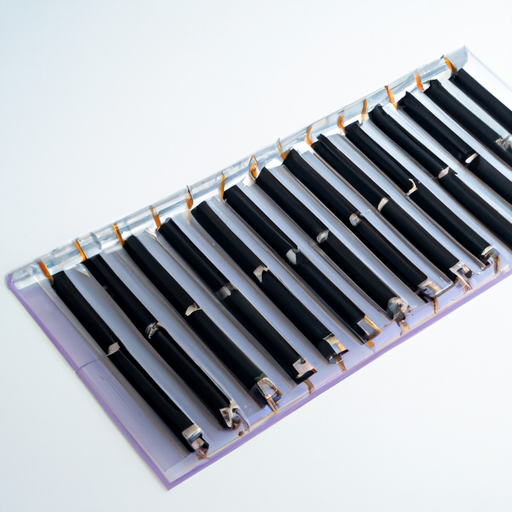
Carbon film resistors are made by depositing a thin layer of carbon onto a ceramic substrate. The carbon film is then etched to create a specific resistance value. This manufacturing process allows for precise control over the resistor's characteristics, making carbon film resistors a popular choice in many electronic applications.
B. Characteristics of Carbon Film Resistors
1. **Resistance Range**: Carbon film resistors typically have a resistance range from a few ohms to several megaohms, making them versatile for various applications.
2. **Tolerance Levels**: These resistors come with different tolerance levels, usually ranging from 1% to 5%, which indicates how much the actual resistance can vary from the specified value.
3. **Temperature Coefficient**: The temperature coefficient of a carbon film resistor is generally around 100 to 200 ppm/°C, which means that its resistance value changes slightly with temperature variations.
C. Comparison with Other Types of Resistors
When compared to other resistor types, carbon film resistors offer a balance of performance and cost. They are generally more stable than carbon composition resistors but may not perform as well as metal film resistors in high-precision applications. Understanding these differences is crucial for selecting the right resistor for a specific application.
IV. Applications of Carbon Film Resistors
A. Common Uses in Electronic Devices
Carbon film resistors are commonly found in a wide range of electronic devices, including consumer electronics like televisions, radios, and computers. Their reliability and cost-effectiveness make them a preferred choice for manufacturers.
B. Role in Circuit Design
In circuit design, carbon film resistors play a vital role in signal processing and power management. They help in shaping signals, controlling gain, and ensuring that circuits operate within safe limits.
C. Specialty Applications
Beyond general use, carbon film resistors are also employed in specialty applications such as audio equipment and precision measurement devices. Their low noise characteristics make them ideal for high-fidelity audio systems, while their stability is crucial in measurement applications.
V. Advantages of Carbon Film Resistors
A. Stability and Reliability
One of the primary advantages of carbon film resistors is their stability over time. They maintain their resistance value under varying conditions, making them reliable components in electronic circuits.
B. Cost-Effectiveness
Carbon film resistors are generally more affordable than other types of resistors, such as metal film resistors. This cost-effectiveness makes them an attractive option for manufacturers looking to keep production costs low.
C. Low Noise Characteristics
These resistors exhibit low noise levels, which is particularly important in audio and precision applications where signal integrity is paramount.
D. Availability in Various Specifications
Carbon film resistors are available in a wide range of specifications, including different resistance values, tolerances, and power ratings, making them suitable for diverse applications.
VI. Limitations of Carbon Film Resistors
A. Power Rating Limitations
While carbon film resistors are versatile, they do have limitations in terms of power ratings. They are generally not suitable for high-power applications, as excessive power can lead to overheating and failure.
B. Sensitivity to Temperature Changes
Although carbon film resistors have a relatively low temperature coefficient, they can still be sensitive to temperature changes. In applications where temperature stability is critical, other resistor types may be more appropriate.
C. Comparison with Other Resistor Types in High-Performance Applications
In high-performance applications, such as precision instrumentation or high-frequency circuits, metal film resistors may outperform carbon film resistors due to their superior stability and lower noise characteristics.
VII. How to Choose a Carbon Film Resistor
A. Factors to Consider
When selecting a carbon film resistor, several factors should be taken into account:
1. **Resistance Value**: Determine the required resistance value for your application, ensuring it falls within the available range of carbon film resistors.
2. **Power Rating**: Consider the power rating of the resistor to ensure it can handle the expected power dissipation without overheating.
3. **Tolerance and Temperature Coefficient**: Choose a resistor with an appropriate tolerance level and temperature coefficient based on the precision required for your application.
B. Application-Specific Considerations
1. **Circuit Requirements**: Analyze the specific requirements of your circuit, including voltage levels, current flow, and environmental conditions.
2. **Environmental Factors**: Consider factors such as humidity, temperature fluctuations, and exposure to chemicals, as these can affect the performance and longevity of the resistor.
VIII. Conclusion
In summary, carbon film resistors are essential components in the realm of electronics, offering a blend of stability, reliability, and cost-effectiveness. Their unique characteristics make them suitable for a wide range of applications, from consumer electronics to precision measurement devices. As technology continues to evolve, the role of carbon film resistors in modern electronics remains significant, with ongoing advancements in resistor technology promising even greater performance and reliability in the future.
IX. References
For further exploration of carbon film resistors and their applications, consider the following resources:
1. "Electronic Components: A Complete Reference for Engineers and Technicians" by John Doe.
2. "Resistor Technology: A Comprehensive Guide" by Jane Smith.
3. Industry standards and guidelines from organizations such as the Institute of Electrical and Electronics Engineers (IEEE) and the International Electrotechnical Commission (IEC).
By understanding the intricacies of carbon film resistors, engineers and hobbyists alike can make informed decisions that enhance the performance and reliability of their electronic projects.


