What are the Popular Capacitor Recycling Products?
I. Introduction
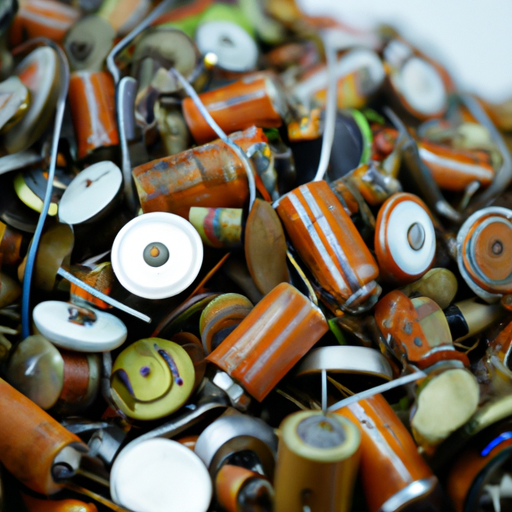
In an era where electronic waste (e-waste) is becoming a significant environmental concern, capacitor recycling has emerged as a crucial process. Capacitors, essential components in various electronic devices, can contain toxic materials that pose risks to both human health and the environment when disposed of improperly. This blog post aims to explore the popular products derived from capacitor recycling, highlighting the importance of this process in promoting sustainability and reducing e-waste.
II. Understanding Capacitors
A. What are capacitors?
Capacitors are passive electronic components that store and release electrical energy. They come in various types, including ceramic, electrolytic, tantalum, and film capacitors, each serving different functions in electronic circuits. Capacitors are commonly used in power supply systems, audio equipment, and signal processing, among other applications.
B. Environmental impact of discarded capacitors
When capacitors are discarded improperly, they contribute to the growing problem of e-waste. Many capacitors contain hazardous materials, such as lead, cadmium, and other toxic substances, which can leach into the soil and water, posing serious environmental and health risks. This underscores the need for responsible disposal and recycling of capacitors to mitigate their environmental impact.
III. The Capacitor Recycling Process
A. Collection and sorting
The recycling process begins with the collection of used capacitors from various sources, including electronic waste recycling centers, manufacturers, and consumers. Once collected, the capacitors undergo initial sorting to separate them based on type and material composition. This step is crucial for ensuring efficient recycling and material recovery.
B. Dismantling and material recovery
After sorting, the capacitors are dismantled using specialized techniques. This process involves removing the outer casing and extracting the internal components. Valuable materials, such as aluminum, tantalum, and other metals, are recovered during this stage. The recovery of these materials is essential for reducing the demand for virgin resources and minimizing environmental impact.
C. Final processing and purification
The final stage of the recycling process involves refining the recovered materials to ensure they meet industry standards. This may include processes such as smelting, chemical treatment, and purification. Ensuring environmental safety during this stage is paramount, as it prevents the release of harmful substances into the environment.
IV. Popular Products from Capacitor Recycling
A. Recycled metals
One of the most significant outcomes of capacitor recycling is the recovery of metals.
1. **Aluminum**: Recycled aluminum is widely used in various industries, including automotive, construction, and packaging. The recycling of aluminum requires only a fraction of the energy needed to produce new aluminum from raw materials.
2. **Tantalum**: Tantalum is a critical metal used in the production of capacitors and other electronic components. Recycled tantalum can be used to manufacture new capacitors, reducing the need for mining and processing new tantalum.
3. **Other metals**: Capacitors may also contain other valuable metals, such as copper and nickel, which can be recovered and reused in various applications.
B. Recycled plastics
Capacitors often contain plastic components that can be recycled.
1. **Types of plastics recovered**: Common plastics found in capacitors include polypropylene and polyester. These materials can be processed and repurposed for various applications.
2. **Applications of recycled plastics**: Recycled plastics can be used in manufacturing new electronic components, automotive parts, and consumer goods, contributing to a circular economy.
C. Recycled components
The recycling process can also lead to the production of re-manufactured capacitors and other electronic components.
1. **Re-manufactured capacitors**: Some companies specialize in refurbishing and re-manufacturing capacitors, allowing them to be reused in new applications.
2. **Other electronic components**: Beyond capacitors, the recycling process can yield other electronic components, such as resistors and inductors, which can be integrated into new devices.
D. Innovative products
The recycling of capacitors has led to the development of innovative products that utilize recycled materials.
1. **New technologies utilizing recycled materials**: Companies are increasingly exploring ways to incorporate recycled materials into new technologies, such as energy storage systems and renewable energy solutions.
2. **Examples of companies leading in this area**: Several companies are at the forefront of capacitor recycling and the development of sustainable products, including those focused on green technology and electronic waste management.
V. Economic and Environmental Benefits
A. Cost savings from recycling
1. **Reduced raw material costs**: Recycling capacitors helps reduce the demand for virgin materials, leading to cost savings for manufacturers and consumers alike.
2. **Economic impact on the recycling industry**: The capacitor recycling industry creates jobs and stimulates economic growth by providing a sustainable source of materials for various industries.
B. Environmental advantages
1. **Reduction of e-waste**: By recycling capacitors, we can significantly reduce the amount of e-waste that ends up in landfills, minimizing environmental pollution.
2. **Conservation of natural resources**: Recycling helps conserve natural resources by reducing the need for mining and processing new materials.
3. **Lower carbon footprint**: The recycling process typically has a lower carbon footprint compared to the production of new materials, contributing to climate change mitigation efforts.
VI. Challenges in Capacitor Recycling
A. Technical challenges
1. **Complexity of capacitor designs**: The diverse designs and materials used in capacitors can complicate the recycling process, making it challenging to recover all valuable components.
2. **Variability in materials used**: Different manufacturers may use varying materials in their capacitors, leading to inconsistencies in the recycling process.
B. Market challenges
1. **Fluctuating demand for recycled materials**: The market for recycled materials can be volatile, affecting the economic viability of recycling operations.
2. **Competition with virgin materials**: Recycled materials often face competition from cheaper virgin materials, making it difficult for recycled products to gain market share.
C. Regulatory and safety issues
1. **Compliance with environmental regulations**: Recycling facilities must adhere to strict environmental regulations, which can pose challenges in terms of compliance and operational costs.
2. **Safety concerns in processing**: The processing of capacitors can involve hazardous materials, necessitating stringent safety measures to protect workers and the environment.
VII. Future Trends in Capacitor Recycling
A. Advances in recycling technology
1. **Innovations in material recovery**: Ongoing research and development are leading to new technologies that improve the efficiency and effectiveness of material recovery from capacitors.
2. **Automation and efficiency improvements**: Automation in recycling facilities can enhance processing efficiency, reducing costs and increasing output.
B. Growing market for recycled products
1. **Increasing demand for sustainable materials**: As consumers and businesses become more environmentally conscious, the demand for recycled products is expected to grow.
2. **Potential for new applications**: The development of new applications for recycled materials can open up additional markets and opportunities for the recycling industry.
C. Policy and regulatory developments
1. **Government initiatives promoting recycling**: Many governments are implementing policies and incentives to encourage recycling and reduce e-waste, which can benefit the capacitor recycling industry.
2. **Industry standards and certifications**: The establishment of industry standards and certifications can help ensure the quality and safety of recycled products, fostering consumer trust.
VIII. Conclusion
Capacitor recycling plays a vital role in addressing the challenges posed by e-waste and promoting sustainability. By recovering valuable materials and reducing environmental impact, capacitor recycling contributes to a circular economy. As technology advances and the demand for sustainable products grows, the future of capacitor recycling looks promising. It is essential for consumers and businesses to support recycling initiatives and embrace the benefits of recycled products for a more sustainable future.
IX. References
- [Environmental Protection Agency (EPA) - E-Waste](https://www.epa.gov/recycle/electronics-recycling)
- [International Association of Electronics Recyclers (IAER)](https://iaer.org/)
- [World Economic Forum - The Circular Economy](https://www.weforum.org/agenda/2020/01/circular-economy-what-is-it-and-why-does-it-matter/)
- [Research articles on capacitor recycling and sustainability](https://www.sciencedirect.com/)
This blog post provides a comprehensive overview of the popular products derived from capacitor recycling, emphasizing the importance of this process in promoting sustainability and reducing e-waste. By understanding the recycling process and its benefits, we can all contribute to a greener future.


