Development Trends in the Capacitor Resistor Industry
I. Introduction
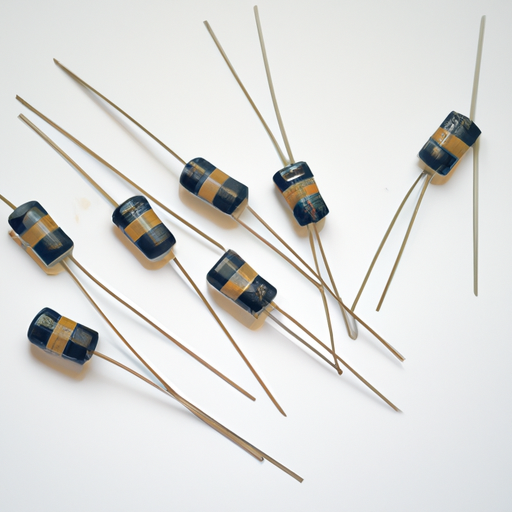
Capacitors and resistors are fundamental components in electronic circuits, playing crucial roles in controlling voltage, current, and energy storage. Capacitors store electrical energy temporarily, while resistors limit the flow of electric current. Together, they form the backbone of countless electronic devices, from simple household appliances to complex industrial machinery. The capacitor resistor industry has evolved significantly over the years, driven by technological advancements and changing market demands. This article aims to explore the current development trends in the capacitor resistor industry, shedding light on innovations, market dynamics, and future prospects.
II. Historical Context
A. Evolution of Capacitors and Resistors
The journey of capacitors and resistors began in the early days of electricity. Early designs utilized basic materials like paper and metal foils for capacitors and carbon for resistors. As technology progressed, the introduction of new materials, such as ceramic and tantalum, revolutionized the industry. The 20th century saw significant technological advancements, including the development of electrolytic capacitors and thin-film resistors, which enhanced performance and reliability.
B. Key Milestones in the Industry
Several key milestones have shaped the capacitor resistor industry. The introduction of new materials, such as polymer and metal oxide, has led to improved performance characteristics. Additionally, the trend towards miniaturization has allowed for the integration of capacitors and resistors into smaller, more compact electronic devices. This evolution has paved the way for the modern electronics we rely on today.
III. Current Market Landscape
A. Overview of the Global Capacitor and Resistor Market
The global capacitor and resistor market has witnessed substantial growth in recent years. According to industry reports, the market size is projected to reach several billion dollars by the end of the decade, driven by increasing demand from various sectors. Key players in the industry include established manufacturers and emerging startups, each vying for market share through innovation and competitive pricing.
B. Applications of Capacitors and Resistors
Capacitors and resistors find applications across a wide range of industries. In consumer electronics, they are integral to devices such as smartphones, laptops, and televisions. The automotive industry relies on capacitors and resistors for electronic control units, infotainment systems, and electric vehicles. Industrial applications include automation systems and power management, while telecommunications utilize these components for signal processing and transmission.
IV. Development Trends in the Capacitor Resistor Industry
A. Technological Innovations
1. Advancements in Materials Science
One of the most significant trends in the capacitor resistor industry is the advancement in materials science. The use of nanomaterials has emerged as a game-changer, enabling the development of high-capacitance and high-resistance materials. These materials enhance performance, allowing for smaller and more efficient components. For instance, graphene and carbon nanotubes are being explored for their exceptional electrical properties, promising to revolutionize the design of capacitors and resistors.
2. Smart Capacitors and Resistors
The integration of smart technologies into capacitors and resistors is another notable trend. With the rise of the Internet of Things (IoT), there is a growing demand for components that can communicate and adapt to their environment. Smart capacitors and resistors can monitor performance, adjust parameters in real-time, and even self-heal in case of damage. This innovation not only enhances reliability but also extends the lifespan of electronic devices.
B. Miniaturization and Integration
The trend towards miniaturization continues to dominate the capacitor resistor industry. As electronic devices become smaller and more compact, the demand for smaller components has surged. System-on-chip (SoC) designs, which integrate multiple functions into a single chip, are becoming increasingly popular. This integration reduces the overall size of devices while improving performance and efficiency.
C. Sustainability and Environmental Considerations
Sustainability is a growing concern in the capacitor resistor industry. Manufacturers are increasingly focusing on eco-friendly materials and manufacturing processes to reduce their environmental impact. The use of recyclable materials and the implementation of sustainable practices in production are becoming standard. Additionally, end-of-life management is gaining attention, with companies exploring ways to recycle and repurpose electronic components.
D. Demand for High-Performance Components
As technology advances, there is an increasing need for high-performance components capable of handling high-frequency and high-voltage applications. Industries such as telecommunications and automotive are driving this demand, requiring capacitors and resistors that can operate efficiently under extreme conditions. Customization and application-specific designs are becoming essential, allowing manufacturers to meet the unique needs of various sectors.
V. Challenges Facing the Industry
Despite the positive trends, the capacitor resistor industry faces several challenges. Supply chain disruptions, exacerbated by global events such as the COVID-19 pandemic, have impacted production and delivery timelines. Additionally, competition from alternative technologies, such as solid-state devices, poses a threat to traditional capacitors and resistors. Regulatory challenges and compliance with environmental standards also present hurdles for manufacturers. Balancing performance with cost remains a critical concern, as companies strive to deliver high-quality products without compromising affordability.
VI. Future Outlook
A. Predictions for the Next Decade
Looking ahead, the capacitor resistor industry is poised for significant transformation. Emerging technologies, such as artificial intelligence and machine learning, are expected to influence design and manufacturing processes. The demand for smart components will continue to rise, leading to innovations that enhance functionality and efficiency. Additionally, market shifts towards renewable energy and electric vehicles will create new opportunities for capacitors and resistors in energy storage and management applications.
B. Strategic Recommendations for Industry Players
To thrive in this evolving landscape, industry players should prioritize investment in research and development. Collaborating with technology companies and research institutions can foster innovation and drive the development of cutting-edge solutions. Emphasizing sustainability in manufacturing processes and product design will not only meet regulatory requirements but also resonate with environmentally conscious consumers.
VII. Conclusion
In conclusion, the capacitor resistor industry is undergoing significant changes driven by technological advancements, market demands, and sustainability considerations. The trends discussed in this article highlight the importance of adaptability in navigating the challenges and opportunities that lie ahead. As the industry continues to evolve, capacitors and resistors will remain integral to the advancement of technology, shaping the future of electronics and beyond.
VIII. References
1. Academic journals and articles on materials science and electronic components.
2. Industry reports and market analyses from reputable sources.
3. Interviews with industry experts and stakeholders to gain insights into current trends and future outlooks.
This comprehensive overview of the development trends in the capacitor resistor industry underscores the dynamic nature of this sector and its critical role in the broader electronics landscape.


