What are the Product Features of High Voltage Shunt Capacitors?
I. Introduction
High voltage shunt capacitors are essential components in modern electrical systems, playing a crucial role in enhancing the efficiency and stability of power networks. These capacitors are designed to operate at high voltage levels, typically above 1 kV, and are used to improve power factor, stabilize voltage, and filter harmonics in electrical systems. This blog post aims to provide a comprehensive overview of the product features of high voltage shunt capacitors, highlighting their functionality, specifications, and applications.
II. Basic Functionality of High Voltage Shunt Capacitors
A. Role in Power Factor Correction
One of the primary functions of high voltage shunt capacitors is to correct power factor issues in electrical systems. Power factor is a measure of how effectively electrical power is being converted into useful work output. A low power factor indicates that a significant amount of energy is wasted, leading to higher electricity costs and potential penalties from utility companies. By adding shunt capacitors to the system, reactive power is supplied locally, reducing the demand for reactive power from the grid and improving the overall power factor.
B. Voltage Stabilization
High voltage shunt capacitors also play a vital role in voltage stabilization. In electrical networks, voltage levels can fluctuate due to varying loads and other factors. Shunt capacitors help maintain a stable voltage by providing reactive power support, which can mitigate voltage drops during peak demand periods. This stabilization is crucial for the reliable operation of sensitive equipment and for maintaining the overall health of the electrical system.
C. Harmonic Filtering
Another important function of high voltage shunt capacitors is harmonic filtering. Harmonics are voltage or current waveforms that are integer multiples of the fundamental frequency, often caused by non-linear loads such as variable frequency drives and rectifiers. These harmonics can lead to overheating, equipment malfunctions, and increased losses in the system. Shunt capacitors can be used in conjunction with inductors to create passive harmonic filters, effectively reducing the impact of harmonics on the electrical network.
III. Key Product Features
A. Voltage Rating
1. Definition and Significance
The voltage rating of a high voltage shunt capacitor indicates the maximum voltage the capacitor can safely handle without risk of failure. It is a critical specification that ensures the capacitor can operate reliably within the electrical system's voltage range.
2. Common Voltage Ratings in the Industry
High voltage shunt capacitors are available in various voltage ratings, typically ranging from 1 kV to 36 kV or higher. The choice of voltage rating depends on the specific application and the voltage levels present in the electrical system.
B. Capacitance Value
1. Explanation of Capacitance
Capacitance is a measure of a capacitor's ability to store electrical energy. It is expressed in farads (F), with higher capacitance values indicating a greater ability to store energy.
2. Typical Capacitance Values for Various Applications
High voltage shunt capacitors come in a range of capacitance values, typically from a few microfarads (µF) to several hundred microfarads. The specific capacitance value required depends on the application, load characteristics, and desired power factor correction.
C. Dielectric Material
1. Types of Dielectric Materials Used
The dielectric material used in high voltage shunt capacitors significantly impacts their performance and reliability. Common dielectric materials include polypropylene, polyester, and paper impregnated with oil. Each material has its advantages and disadvantages in terms of insulation properties, thermal stability, and cost.
2. Impact on Performance and Reliability
The choice of dielectric material affects the capacitor's voltage rating, temperature stability, and overall lifespan. For instance, polypropylene capacitors are known for their high insulation resistance and low losses, making them suitable for high voltage applications.
D. Construction and Design
1. Physical Design Considerations
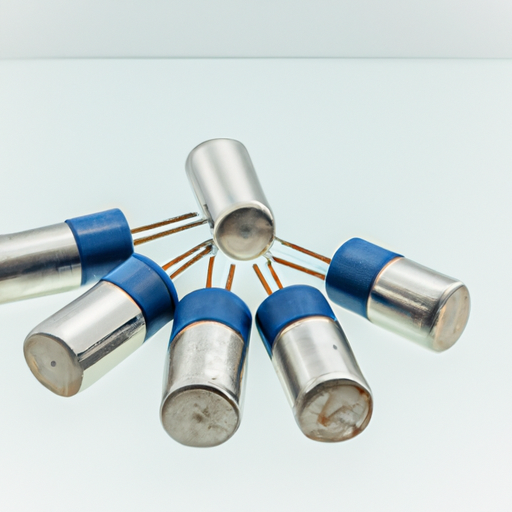
High voltage shunt capacitors come in various physical designs, including cylindrical and rectangular shapes. The design is influenced by factors such as space constraints, cooling requirements, and installation preferences.
2. Insulation and Protection Features
Effective insulation and protection features are crucial for high voltage shunt capacitors to ensure safe operation. This includes the use of robust insulating materials, protective enclosures, and proper grounding techniques to prevent electrical hazards.
E. Temperature and Environmental Ratings
1. Operating Temperature Ranges
High voltage shunt capacitors are designed to operate within specific temperature ranges. Typical operating temperatures can range from -40°C to +85°C, depending on the application and environmental conditions.
2. Environmental Considerations
Environmental factors such as humidity, altitude, and exposure to corrosive substances can impact the performance and lifespan of high voltage shunt capacitors. Manufacturers often provide environmental ratings to ensure the capacitors can withstand the conditions they will encounter in the field.
F. Loss Characteristics
1. Dissipation Factor (DF) and Equivalent Series Resistance (ESR)
The dissipation factor (DF) and equivalent series resistance (ESR) are critical parameters that indicate the energy losses within a capacitor. A low DF and ESR are desirable for high voltage shunt capacitors, as they contribute to higher efficiency and reduced heat generation.
2. Importance of Low Losses for Efficiency
Minimizing losses is essential for improving the overall efficiency of electrical systems. High voltage shunt capacitors with low loss characteristics help reduce energy waste, leading to cost savings and improved system performance.
G. Safety Features
1. Overvoltage Protection
High voltage shunt capacitors are equipped with overvoltage protection mechanisms to prevent damage from voltage spikes. This can include surge protection devices or voltage limiting features.
2. Pressure Relief Mechanisms
In the event of a failure, pressure relief mechanisms are crucial to prevent catastrophic failures. These mechanisms allow gases to escape safely, reducing the risk of explosion or fire.
3. Compliance with Safety Standards
High voltage shunt capacitors must comply with various safety standards, such as IEC and UL, to ensure they meet rigorous safety and performance criteria. Compliance with these standards is essential for ensuring the reliability and safety of electrical systems.
IV. Performance Metrics
A. Reliability and Lifespan
1. Expected Lifespan and Factors Affecting Longevity
The expected lifespan of high voltage shunt capacitors can vary significantly based on factors such as operating conditions, quality of materials, and maintenance practices. Typically, these capacitors can last anywhere from 20 to 30 years or more with proper care.
2. Maintenance Considerations
Regular maintenance is essential to ensure the longevity and reliability of high voltage shunt capacitors. This includes periodic inspections, testing for insulation resistance, and monitoring for signs of wear or damage.
B. Efficiency Ratings
1. Importance of Efficiency in Energy Savings
Efficiency ratings are critical for evaluating the performance of high voltage shunt capacitors. Higher efficiency translates to lower energy losses, which can lead to significant cost savings over time.
2. Comparison with Other Capacitor Types
When compared to other types of capacitors, such as low voltage or electrolytic capacitors, high voltage shunt capacitors often exhibit superior performance in terms of voltage handling, efficiency, and reliability, making them a preferred choice for high voltage applications.
V. Applications of High Voltage Shunt Capacitors
A. Power Generation
High voltage shunt capacitors are widely used in power generation facilities to improve power factor and stabilize voltage levels, ensuring efficient operation and compliance with grid requirements.
B. Transmission and Distribution
In transmission and distribution networks, shunt capacitors help mitigate voltage drops and improve the overall efficiency of power delivery, reducing losses and enhancing system reliability.
C. Industrial Applications
Many industrial processes require stable voltage and improved power factor for optimal operation. High voltage shunt capacitors are commonly used in manufacturing plants, mining operations, and other industrial settings to achieve these goals.
D. Renewable Energy Systems
As the adoption of renewable energy sources increases, high voltage shunt capacitors play a vital role in integrating these sources into the grid. They help manage voltage fluctuations and improve the overall stability of renewable energy systems.
VI. Conclusion
High voltage shunt capacitors are indispensable components in modern electrical systems, providing essential functions such as power factor correction, voltage stabilization, and harmonic filtering. Understanding their key features, including voltage ratings, capacitance values, dielectric materials, and safety features, is crucial for selecting the right capacitor for specific applications. As technology continues to evolve, high voltage shunt capacitors will play an increasingly important role in enhancing the efficiency and reliability of electrical systems, paving the way for a more sustainable energy future.
VII. References
For further reading and resources on high voltage shunt capacitors, consider exploring industry standards and guidelines from organizations such as the International Electrotechnical Commission (IEC) and Underwriters Laboratories (UL). Additionally, technical papers and manufacturer specifications can provide valuable insights into the latest advancements in capacitor technology.


