Common Production Processes for Film Capacitors
I. Introduction
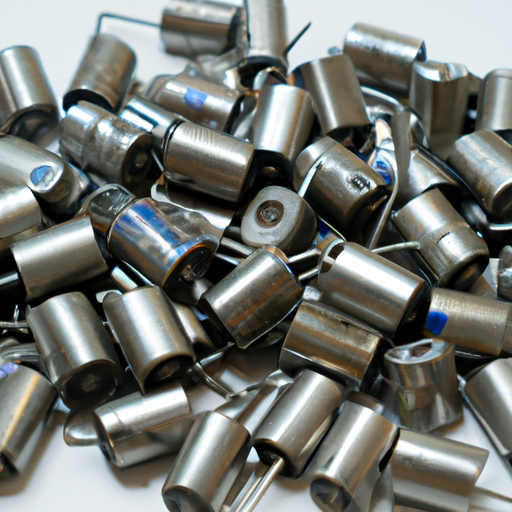
Film capacitors are essential components in modern electronic devices, known for their reliability, stability, and versatility. Unlike traditional electrolytic capacitors, film capacitors utilize a thin plastic film as the dielectric material, which contributes to their superior performance in various applications, including power electronics, audio equipment, and automotive systems. Understanding the production processes of film capacitors is crucial for manufacturers and engineers alike, as it directly impacts the quality and performance of the final product. This blog post will explore the common production processes for film capacitors, from raw material selection to packaging and distribution.
II. Raw Materials
The production of film capacitors begins with the selection of high-quality raw materials. The primary components include dielectric films, metal electrodes, and additional dielectric materials.
A. Types of Films Used
1. **Polyester (PET)**: Polyester films are widely used due to their excellent electrical properties, mechanical strength, and cost-effectiveness. They are suitable for a variety of applications, particularly in consumer electronics.
2. **Polypropylene (PP)**: Polypropylene films are favored for their low dielectric losses and high insulation resistance. They are often used in high-frequency applications and are known for their stability over a wide temperature range.
3. **Polycarbonate (PC)**: Although less common, polycarbonate films offer superior thermal stability and are used in specialized applications where high performance is required.
B. Metal Electrodes
The choice of metal electrodes is critical for the performance of film capacitors. The most commonly used materials include:
1. **Aluminum**: Aluminum is widely used due to its excellent conductivity and cost-effectiveness. It is often employed in applications where weight is a concern.
2. **Copper**: Copper electrodes provide superior conductivity and are used in high-performance applications, although they are more expensive than aluminum.
C. Dielectric Materials
In addition to the films, dielectric materials play a vital role in determining the capacitor's performance. The dielectric constant, loss tangent, and breakdown voltage of these materials are carefully considered during the design phase.
III. Film Preparation
The preparation of the dielectric film is a critical step in the production of film capacitors. This process involves several key stages, including film extrusion and stretching.
A. Film Extrusion
1. **Process Description**: Film extrusion involves melting the raw polymer and forcing it through a die to create a thin film. This process requires precise control over temperature and pressure to ensure uniform thickness.
2. **Importance of Thickness and Uniformity**: The thickness of the film directly affects the capacitance and voltage rating of the capacitor. Uniformity is crucial to prevent weak spots that could lead to failure during operation.
B. Film Stretching
1. **Biaxial Orientation**: After extrusion, the film is stretched in both the machine and transverse directions. This biaxial orientation enhances the mechanical properties and electrical performance of the film.
2. **Effects on Electrical Properties**: Stretching the film improves its dielectric strength and reduces the dielectric loss, making it more suitable for high-frequency applications.
IV. Electrode Application
Once the film is prepared, the next step is to apply the metal electrodes. This process can be accomplished through various methods.
A. Methods of Electrode Deposition
1. **Vacuum Deposition**: In this method, a thin layer of metal is deposited onto the film in a vacuum chamber. This technique ensures a uniform coating and excellent adhesion.
2. **Screen Printing**: Screen printing involves applying a conductive ink to the film's surface. While this method is less expensive, it may not provide the same level of conductivity and adhesion as vacuum deposition.
B. Importance of Electrode Quality
1. **Conductivity**: The conductivity of the electrodes is crucial for the overall performance of the capacitor. Poor conductivity can lead to increased losses and reduced efficiency.
2. **Adhesion to Dielectric**: Strong adhesion between the electrode and dielectric film is essential to prevent delamination during operation, which can lead to capacitor failure.
V. Capacitor Assembly
The assembly of the capacitor involves layering the film and electrodes, followed by insulation and encapsulation.
A. Layering of Film and Electrodes
1. **Winding Process**: In the winding process, the film and electrodes are rolled together to form a cylindrical capacitor. This method is commonly used for smaller capacitors.
2. **Stacking Process**: For larger capacitors, the stacking process is employed, where multiple layers of film and electrodes are stacked together. This method allows for higher capacitance values.
B. Insulation and Encapsulation
1. **Role of Insulation in Performance**: Insulation is critical for preventing electrical shorts and ensuring the capacitor operates safely. The choice of insulation material can affect the capacitor's temperature rating and overall reliability.
2. **Types of Encapsulation Materials**: Encapsulation materials protect the capacitor from environmental factors such as moisture and dust. Common materials include epoxy resins and thermoplastics, which provide excellent mechanical protection.
VI. Testing and Quality Control
Quality control is a vital aspect of film capacitor production, ensuring that each capacitor meets the required specifications.
A. Electrical Testing
1. **Capacitance Measurement**: Each capacitor is tested for its capacitance value to ensure it meets design specifications. This measurement is critical for the capacitor's performance in its intended application.
2. **Insulation Resistance Testing**: Insulation resistance testing evaluates the dielectric strength of the capacitor, ensuring it can withstand the operating voltage without failure.
B. Mechanical Testing
1. **Dielectric Strength**: Dielectric strength testing assesses the capacitor's ability to withstand high voltages without breaking down. This test is essential for ensuring reliability in high-voltage applications.
2. **Temperature and Humidity Tests**: Capacitors are subjected to temperature and humidity tests to evaluate their performance under extreme environmental conditions. This testing helps identify potential failures before the capacitors are deployed in the field.
C. Quality Assurance Protocols
Manufacturers implement strict quality assurance protocols to ensure that each capacitor meets industry standards. This includes regular audits, process control measures, and adherence to international quality standards.
VII. Packaging and Distribution
Once the capacitors have passed all testing and quality control measures, they are prepared for packaging and distribution.
A. Packaging Methods
1. **Bulk Packaging**: For large orders, capacitors may be packaged in bulk to reduce shipping costs. This method is efficient for manufacturers and distributors.
2. **Individual Packaging**: For retail or sensitive applications, individual packaging is used to protect each capacitor from damage during transport. This packaging often includes anti-static materials to prevent electrostatic discharge.
B. Importance of Proper Packaging for Protection and Performance
Proper packaging is essential to ensure that capacitors arrive at their destination in perfect condition. Damaged capacitors can lead to failures in electronic devices, resulting in costly repairs and replacements.
VIII. Conclusion
In summary, the production processes for film capacitors involve a series of carefully controlled steps, from raw material selection to final packaging. Each stage plays a crucial role in determining the quality and performance of the final product. As technology continues to advance, manufacturers are exploring new materials and processes to improve the efficiency and reliability of film capacitors. Continuous improvement in production techniques will be essential to meet the growing demands of the electronics industry and ensure that film capacitors remain a vital component in modern electronic applications.


