What Components and Modules Does a Resistor Package Contain?
I. Introduction
A. Definition of a Resistor
A resistor is a fundamental electronic component that limits the flow of electric current in a circuit. It is characterized by its resistance value, which is measured in ohms (Ω). Resistors are essential for controlling voltage and current levels, dividing voltages, and protecting sensitive components from excessive current.
B. Importance of Resistors in Electronic Circuits
Resistors play a crucial role in electronic circuits by ensuring that components operate within their specified limits. They are used in various applications, from simple circuits to complex electronic devices, including computers, smartphones, and automotive systems. Without resistors, circuits would be prone to damage due to excessive current, leading to failures and malfunctions.
C. Overview of Resistor Packages
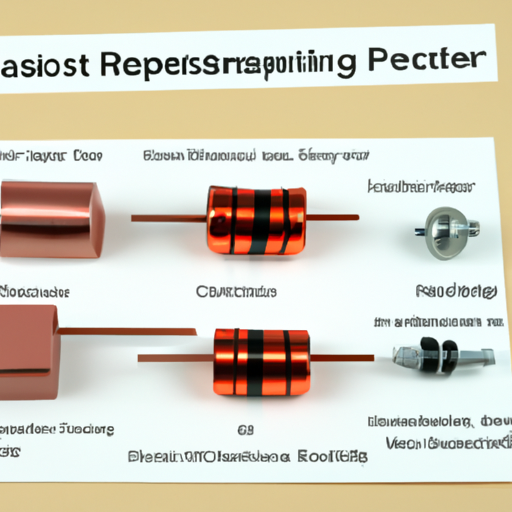
Resistors come in various packages, each designed for specific applications and manufacturing processes. Understanding the components and modules within a resistor package is vital for engineers and designers to select the appropriate resistor for their projects.
II. Basic Components of a Resistor Package
1. Description of the Resistive Material
The core of a resistor package is the resistive element, which is responsible for providing resistance. This element is made from materials that exhibit specific resistive properties, allowing them to impede the flow of electric current.
2. Types of Resistive Materials
There are several types of resistive materials used in resistor manufacturing, including:
Carbon Composition: Made from a mixture of carbon and a binding material, these resistors are inexpensive and suitable for general applications.
Metal Film: These resistors use a thin layer of metal as the resistive element, offering better stability and accuracy.
Wire-Wound: Constructed by winding a metal wire around a core, wire-wound resistors are ideal for high-power applications due to their ability to dissipate heat effectively.
1. Function of Terminals in a Resistor Package
Terminals are the conductive leads that connect the resistor to the circuit. They allow for the flow of current into and out of the resistor, making them essential for its operation.
2. Types of Terminals
Resistor packages typically feature two types of terminals:
Leaded Resistors: These have long leads that can be inserted into a circuit board, making them suitable for through-hole mounting.
Surface Mount Resistors (SMD): These have flat terminals designed for mounting directly onto the surface of a circuit board, allowing for compact designs and automated assembly.
1. Purpose of Encapsulation
Encapsulation protects the resistor element from environmental factors such as moisture, dust, and mechanical stress. It also provides electrical insulation to prevent short circuits.
2. Common Materials Used for Encapsulation
The most common encapsulation materials include:
Ceramic: Offers excellent thermal stability and is often used for high-power resistors.
Plastic: Lightweight and cost-effective, plastic encapsulation is common in general-purpose resistors.
III. Types of Resistor Packages
1. Description and Applications
Through-hole resistors are designed for insertion into pre-drilled holes on a circuit board. They are commonly used in applications where durability and mechanical strength are essential.
2. Advantages and Disadvantages
**Advantages**:
- Strong mechanical connection
- Easier to handle during assembly
**Disadvantages**:
- Larger footprint on the circuit board
- Less suitable for high-density applications
1. Description and Applications
Surface mount resistors are compact and designed for mounting directly onto the surface of a circuit board. They are widely used in modern electronics due to their space-saving design.
2. Advantages and Disadvantages
**Advantages**:
- Smaller size allows for higher circuit density
- Suitable for automated assembly processes
**Disadvantages**:
- More challenging to handle manually
- Requires specific soldering techniques
1. Description of High-Power, Precision, and Variable Resistors
Specialty resistors include high-power resistors designed to handle significant power loads, precision resistors for accurate measurements, and variable resistors (potentiometers) that allow for adjustable resistance.
2. Applications and Unique Features
These resistors are used in applications ranging from power electronics to audio equipment, where precise control of resistance is necessary.
IV. Internal Structure of Resistor Packages
1. Methods of Manufacturing Resistors
Resistors can be manufactured using various techniques, including:
Thin Film: A thin layer of resistive material is deposited onto a substrate, providing high precision and stability.
Thick Film: A thicker layer of resistive paste is printed onto a substrate, offering a cost-effective solution for mass production.
2. Impact of Construction on Performance
The construction method affects the resistor's performance characteristics, including tolerance, temperature coefficient, and power rating. Thin film resistors typically offer better performance than thick film resistors.
1. Importance of Heat Dissipation
Resistors generate heat during operation, and effective thermal management is crucial to prevent overheating, which can lead to failure.
2. Design Features for Thermal Management
Design features such as heat sinks and thermal pads are often incorporated into resistor packages to enhance heat dissipation and maintain performance.
V. Electrical Characteristics of Resistor Packages
1. Explanation of Resistance Measurement
The resistance value of a resistor is determined by its material and dimensions. It is measured in ohms and is a critical specification for selecting the right resistor for a circuit.
2. Tolerance and Its Significance
Tolerance indicates the allowable variation in resistance value. It is expressed as a percentage and is essential for applications requiring precise resistance values.
1. Definition and Importance of Power Rating
The power rating indicates the maximum power a resistor can dissipate without failure. It is measured in watts (W) and is crucial for ensuring that the resistor can handle the expected load.
2. Factors Affecting Power Rating
Factors such as resistor size, construction method, and thermal management features influence the power rating of a resistor.
1. Explanation of Temperature Coefficient
The temperature coefficient measures how much a resistor's resistance changes with temperature. It is expressed in parts per million per degree Celsius (ppm/°C).
2. Impact on Resistor Performance
A low temperature coefficient is desirable for precision applications, as it ensures stable performance across varying temperatures.
VI. Testing and Quality Control
1. Common Tests for Resistors
Resistors undergo various tests, including:
Ohmic Testing: Measures the resistance value.
Thermal Testing: Assesses the resistor's performance under different temperature conditions.
2. Importance of Testing in Manufacturing
Testing ensures that resistors meet specified performance standards and helps identify defects before they reach the market.
1. Standards and Certifications
Manufacturers adhere to industry standards such as ISO and RoHS to ensure product quality and environmental compliance.
2. Role of Quality Control in Ensuring Reliability
Quality control measures are essential for maintaining the reliability and performance of resistors in electronic applications.
VII. Conclusion
A. Summary of Key Components and Modules in Resistor Packages
Resistor packages consist of several critical components, including the resistive element, terminals, and encapsulation. Understanding these components is essential for selecting the right resistor for specific applications.
B. Importance of Understanding Resistor Packages for Electronic Design
A thorough understanding of resistor packages enables engineers and designers to make informed decisions, ensuring optimal performance and reliability in electronic circuits.
C. Future Trends in Resistor Technology and Packaging
As technology advances, we can expect innovations in resistor materials, construction techniques, and packaging designs, leading to more efficient and reliable electronic components.
VIII. References
A. Suggested Readings and Resources for Further Exploration
- "Electronic Components: A Complete Reference for Project Builders" by Delton T. Horn
- "The Art of Electronics" by Paul Horowitz and Winfield Hill
B. Industry Standards and Guidelines Related to Resistors
- International Organization for Standardization (ISO)
- Restriction of Hazardous Substances (RoHS) Directive
This comprehensive overview of resistor packages highlights the essential components and modules that make up these critical electronic components. Understanding these elements is vital for anyone involved in electronic design and engineering.


