What are the Categories of Popular Resistors?
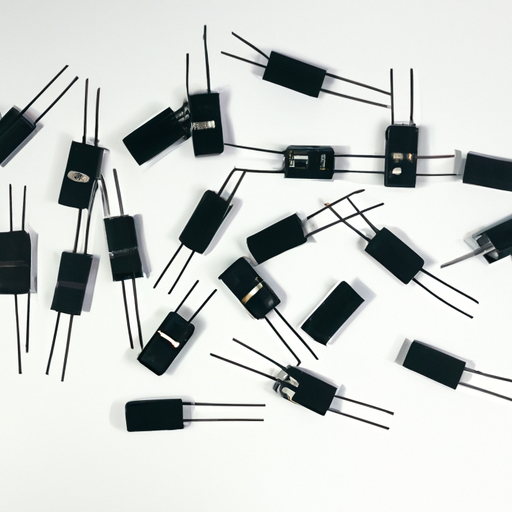
I. Introduction
A. Definition of Resistors
Resistors are fundamental electronic components that limit the flow of electric current in a circuit. They are essential for controlling voltage and current levels, ensuring that electronic devices operate safely and effectively. By providing a specific amount of resistance, they help to manage the electrical energy within a circuit, preventing damage to sensitive components.
B. Importance of Resistors in Electronic Circuits
In the world of electronics, resistors play a crucial role. They are used in various applications, from simple circuits to complex systems. Resistors help to divide voltages, set bias points for transistors, and protect components from excessive current. Without resistors, many electronic devices would not function properly, leading to potential failures and safety hazards.
C. Overview of the Article
This article will explore the different categories of popular resistors, their characteristics, applications, and how to choose the right resistor for specific needs. By understanding the various types of resistors available, you can make informed decisions when designing or troubleshooting electronic circuits.
II. Basic Concepts of Resistors
A. What is Resistance?
Resistance is a measure of the opposition to the flow of electric current in a conductor. It is measured in ohms (Ω) and is determined by the material, length, and cross-sectional area of the conductor. The higher the resistance, the less current will flow through the circuit for a given voltage.
B. Ohm's Law
Ohm's Law is a fundamental principle in electronics that relates voltage (V), current (I), and resistance (R). It states that V = I × R. This relationship is crucial for understanding how resistors function within a circuit and how to calculate the necessary resistance for specific applications.
C. Types of Resistors Based on Functionality
Resistors can be categorized based on their functionality into fixed resistors, variable resistors, and specialty resistors. Each type serves a unique purpose and is designed for specific applications.
III. Categories of Resistors
A. Fixed Resistors
Fixed resistors have a predetermined resistance value that does not change. They are widely used in electronic circuits for various applications. Here are some common types of fixed resistors:
1. **Carbon Composition Resistors**: Made from a mixture of carbon and a binding material, these resistors are known for their high energy absorption and ability to withstand high temperatures. However, they have a relatively high tolerance and are less stable over time.
2. **Metal Film Resistors**: These resistors are made by depositing a thin layer of metal onto a ceramic substrate. They offer better stability and lower noise compared to carbon composition resistors, making them suitable for precision applications.
3. **Carbon Film Resistors**: Similar to metal film resistors, carbon film resistors are made by depositing a thin layer of carbon. They provide a good balance between cost and performance, making them popular in general-purpose applications.
4. **Wirewound Resistors**: Constructed by winding a metal wire around a ceramic or fiberglass core, wirewound resistors can handle high power levels and are often used in power applications. They are known for their accuracy and stability.
5. **Thin Film Resistors**: These resistors are made by depositing a very thin layer of resistive material on a substrate. They offer high precision and low temperature coefficients, making them ideal for high-performance applications.
6. **Thick Film Resistors**: Thick film resistors are made by printing a thick layer of resistive material onto a substrate. They are commonly used in surface-mount technology (SMT) and offer a good balance of performance and cost.
B. Variable Resistors
Variable resistors allow for the adjustment of resistance values, making them useful in applications where fine-tuning is required. The main types of variable resistors include:
1. **Potentiometers**: These are three-terminal devices that can be used to adjust voltage levels in a circuit. They are commonly found in volume controls, tone controls, and other adjustable settings.
2. **Rheostats**: Rheostats are two-terminal variable resistors used to control current. They are often used in applications where high power is required, such as in lighting controls and motor speed controls.
3. **Trimmers**: Trimmer resistors are small variable resistors used for fine-tuning circuits. They are typically adjusted only once during the calibration process and are found in applications like radio frequency (RF) circuits.
C. Specialty Resistors
Specialty resistors are designed for specific applications and often have unique characteristics. Some common types include:
1. **Thermistors**: These temperature-sensitive resistors change resistance with temperature variations. They are widely used in temperature sensing and control applications.
2. **Photoresistors (LDRs)**: Light-dependent resistors change resistance based on the intensity of light. They are commonly used in light-sensing applications, such as automatic lighting systems.
3. **Varistors**: Varistors are voltage-dependent resistors that change resistance with applied voltage. They are often used for surge protection in electronic circuits.
4. **Fusible Resistors**: These resistors are designed to act as a fuse, breaking the circuit when a certain current level is exceeded. They provide both resistance and protection in one component.
IV. Characteristics of Resistors
When selecting a resistor, several key characteristics must be considered:
A. Resistance Value
The resistance value, measured in ohms, determines how much current will flow through the resistor for a given voltage. It is essential to choose the correct resistance value for the specific application.
B. Tolerance
Tolerance indicates the allowable deviation from the specified resistance value. It is usually expressed as a percentage. For example, a resistor with a tolerance of ±5% can have a resistance value that varies by 5% from its nominal value.
C. Power Rating
The power rating indicates the maximum amount of power the resistor can dissipate without being damaged. It is measured in watts (W) and is crucial for ensuring that the resistor can handle the power levels in the circuit.
D. Temperature Coefficient
The temperature coefficient indicates how much the resistance value changes with temperature. It is expressed in parts per million per degree Celsius (ppm/°C). A low temperature coefficient is desirable for precision applications.
E. Voltage Rating
The voltage rating indicates the maximum voltage that can be applied across the resistor without causing breakdown or damage. It is essential to ensure that the voltage rating is not exceeded in the circuit.
V. Applications of Different Resistor Categories
A. Fixed Resistors in Circuits
Fixed resistors are commonly used in various electronic circuits for tasks such as voltage division, current limiting, and biasing. They are essential components in amplifiers, filters, and signal processing circuits.
B. Variable Resistors in Control Systems
Variable resistors are widely used in control systems where adjustments are necessary. Potentiometers are often found in audio equipment, while rheostats are used in motor control applications.
C. Specialty Resistors in Sensing Applications
Specialty resistors like thermistors and photoresistors are crucial in sensing applications. Thermistors are used in temperature monitoring systems, while photoresistors are employed in light-sensitive devices.
VI. Choosing the Right Resistor
A. Factors to Consider
When selecting a resistor, consider the following factors:
1. **Application Requirements**: Determine the specific needs of your circuit, including resistance value, power rating, and tolerance.
2. **Environmental Conditions**: Consider the operating environment, including temperature, humidity, and potential exposure to chemicals or moisture.
3. **Cost Considerations**: Balance performance requirements with budget constraints. While high-precision resistors may offer better performance, they can also be more expensive.
B. Common Mistakes to Avoid
Avoid common mistakes such as selecting a resistor with an insufficient power rating, overlooking tolerance requirements, or failing to account for temperature variations. Properly assessing these factors will help ensure the reliability and performance of your circuit.
VII. Conclusion
A. Recap of Resistor Categories
In summary, resistors are essential components in electronic circuits, categorized into fixed, variable, and specialty types. Each category serves specific functions and applications, making it crucial to understand their characteristics and uses.
B. Importance of Understanding Resistor Types for Electronics
Understanding the different types of resistors and their applications is vital for anyone involved in electronics, whether you are designing circuits, troubleshooting devices, or working in research and development.
C. Future Trends in Resistor Technology
As technology advances, we can expect to see innovations in resistor design and materials, leading to improved performance, miniaturization, and enhanced functionality. Staying informed about these trends will be essential for electronics professionals.
VIII. References
A. Suggested Reading
- "The Art of Electronics" by Paul Horowitz and Winfield Hill
- "Electronic Principles" by Albert Malvino and David Bates
B. Online Resources
- Electronics tutorials and forums
- Manufacturer datasheets for specific resistor types
C. Industry Standards and Guidelines
- IEC standards for electronic components
- ANSI standards for resistor specifications
By understanding the categories of popular resistors and their characteristics, you can make informed decisions that enhance the performance and reliability of your electronic projects.


